Popular Math Worksheets

Read More

IGCSE Mathematics Worksheet - Vectors-2

Read More

IGCSE Mathematics Worksheet-Variation

Read More

CBSE 10th-Mathematics worksheet-Trigonometry

Read More

IGCSE Mathematics - Percentages, Compound interest-Worksheet

Read More

CBSE 9th-Mathematics worksheet-Circles

Read More

IGCSE Mathematics Worksheet- Circle Theorems

Read More

CBSE 8th-Mathematics worksheet-Comparing Quantities/Percentages-1

Read More

IGCSE Mathematics Worksheet- Graphs – Equations and Inequalities

Reviews

1 / 7
2 / 7
3 / 7
4 / 7
5 / 7
6 / 7
7 / 7

GCSE, IGCSE Mathematics Past Papers -Revision 3


Answer the following


🖋Online Maths Tutor, Dubai

Leave your comment
0 comments
Read More

IGCSE Mathematics- Variation


Answer the following
1. 
     
Leave your comment
0 comments
Read More

IGCSE Mathematics Worksheet - Differentiation (Calculus) -1


Answer the following
1.


      Find the maximum value of A.
 2.


  (c) State whether the turning point is a maximum or a minimum.
3.


4.


Find the coordinates of the point of y=f(x) where the gradient is 8
5.

Downloaded from https://qusaistuition.blogspot.com
Leave your comment
0 comments
Read More

IGCSE Mathematics Worksheet - Vectors-2


Answer the following
1. 
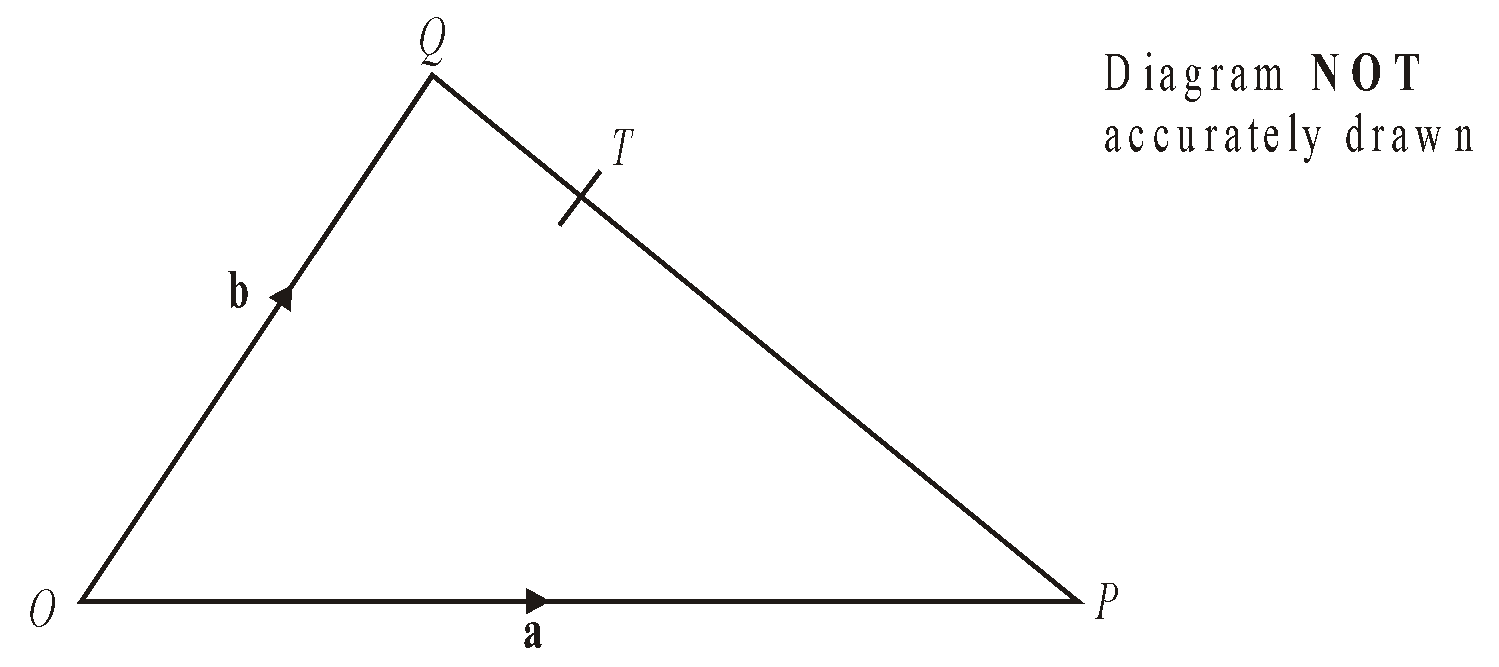
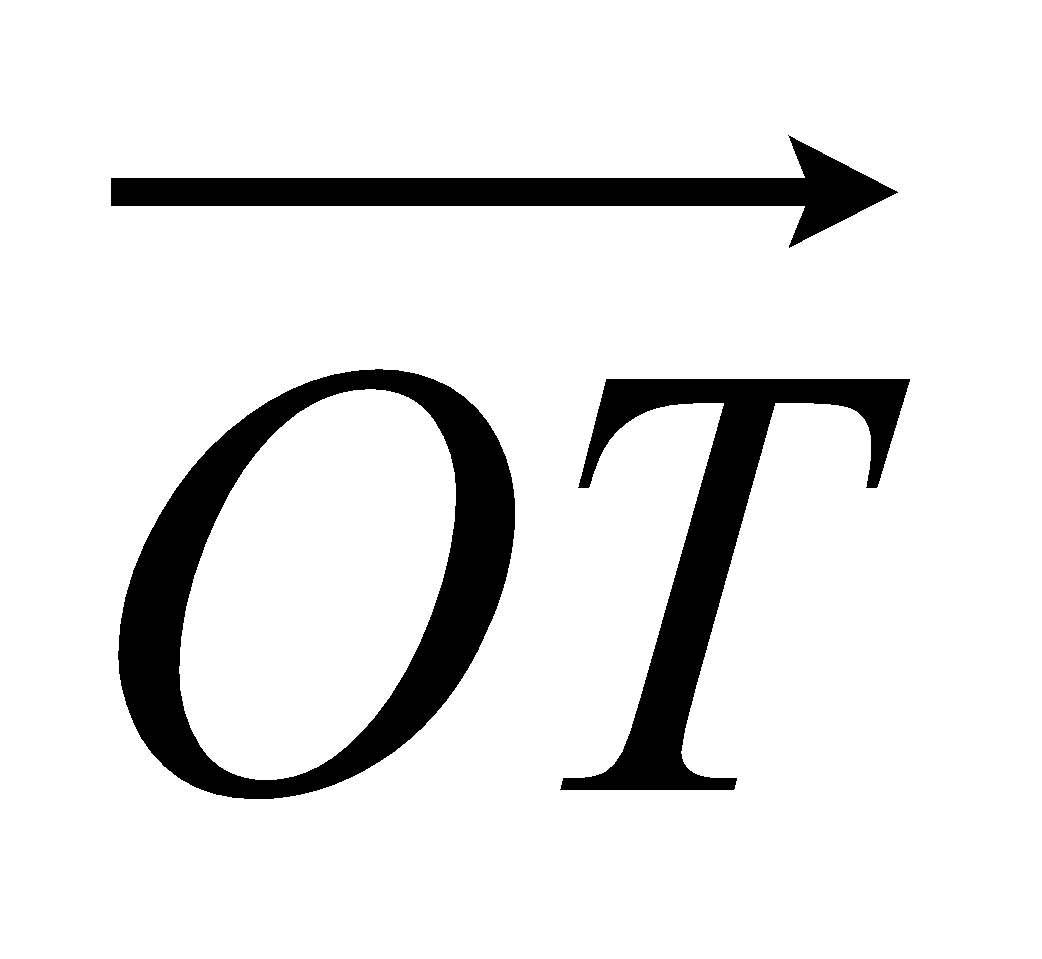
OPQ is a triangle. T is the point on PQ for which PT : TQ = 2 : 1.
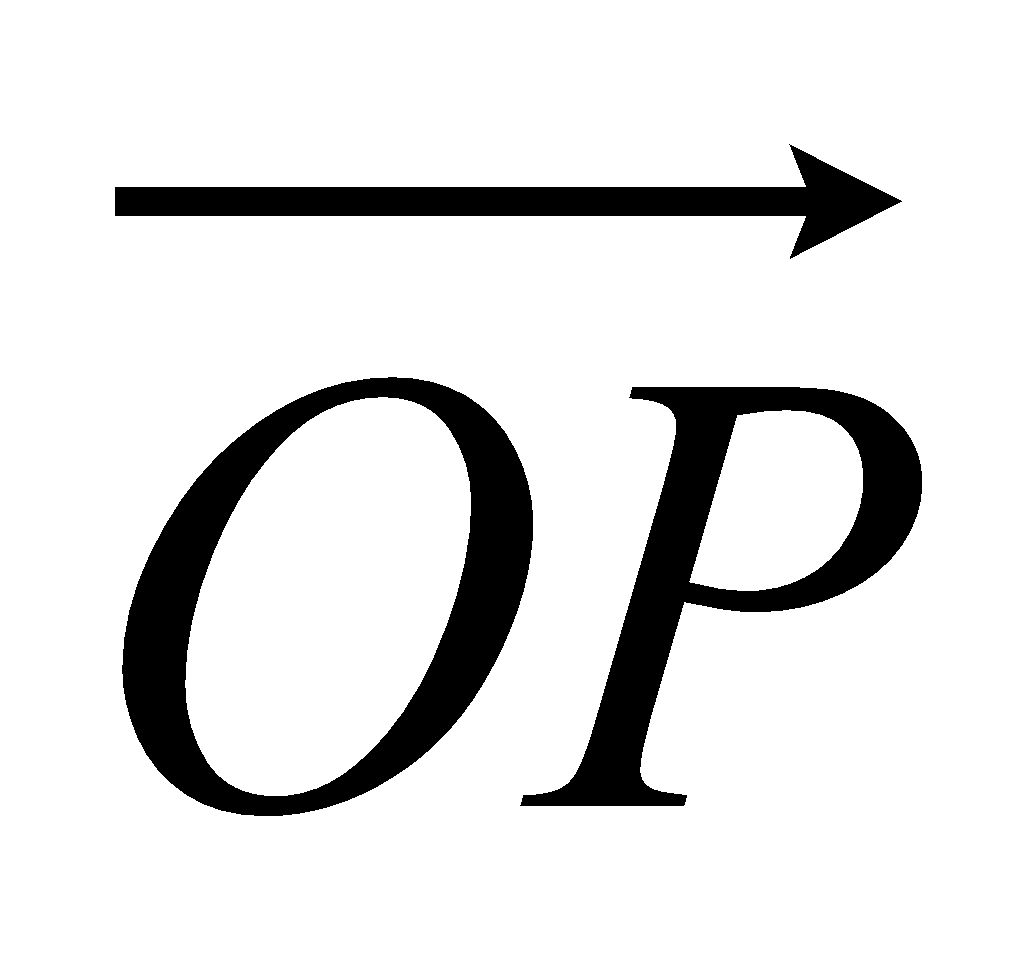
= a and = b.
(a) Write down, in terms of a and b, an expression for .

(b) Express in terms of a and b.  Give your answer in its simplest form.
2. 
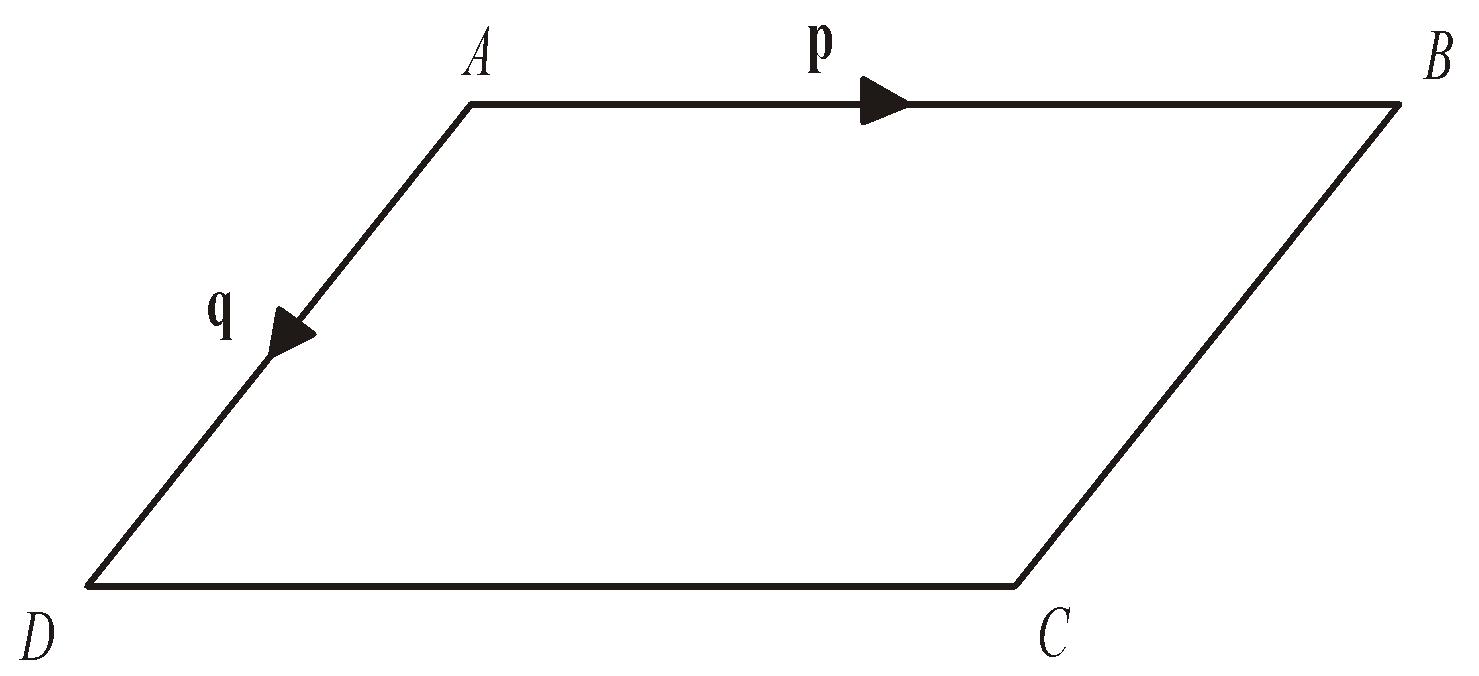
ABCD is a parallelogram. AB is parallel to DC. AD is parallel to BC. = p        = q
Express, in terms of p and q
(i)
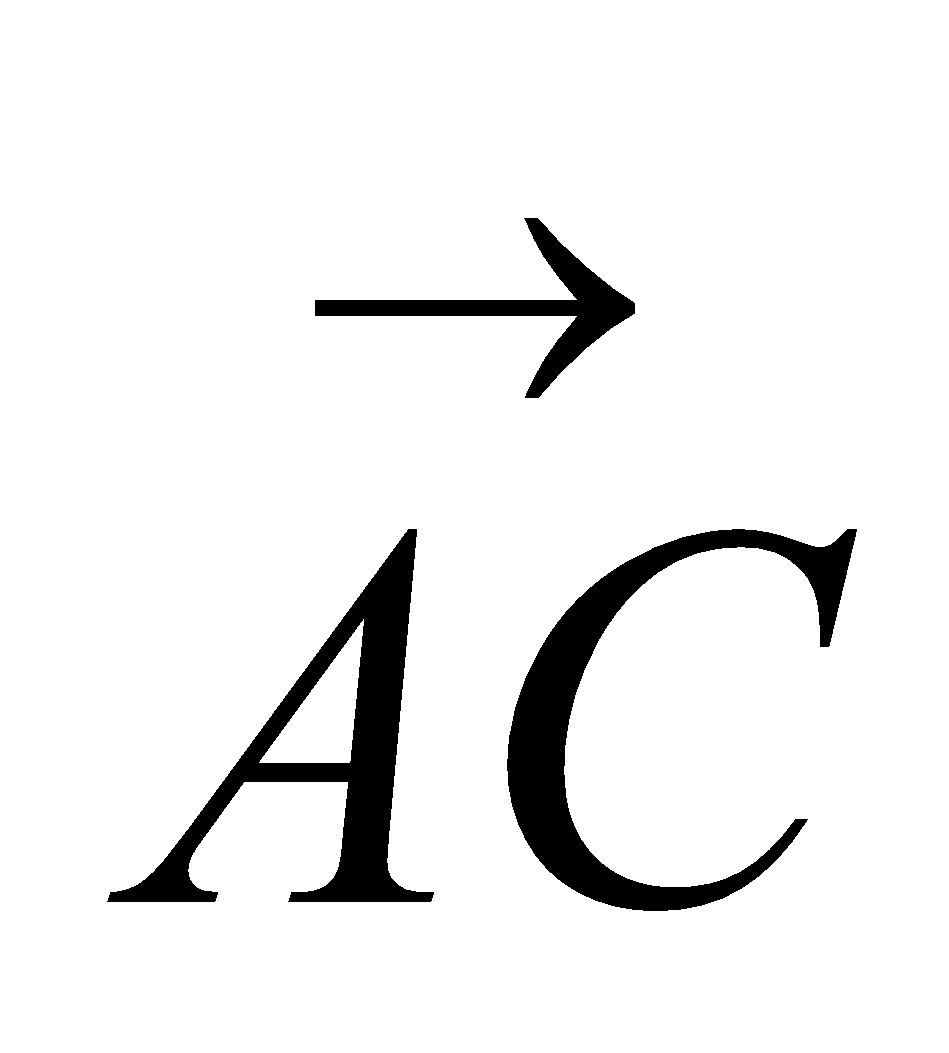
(ii)
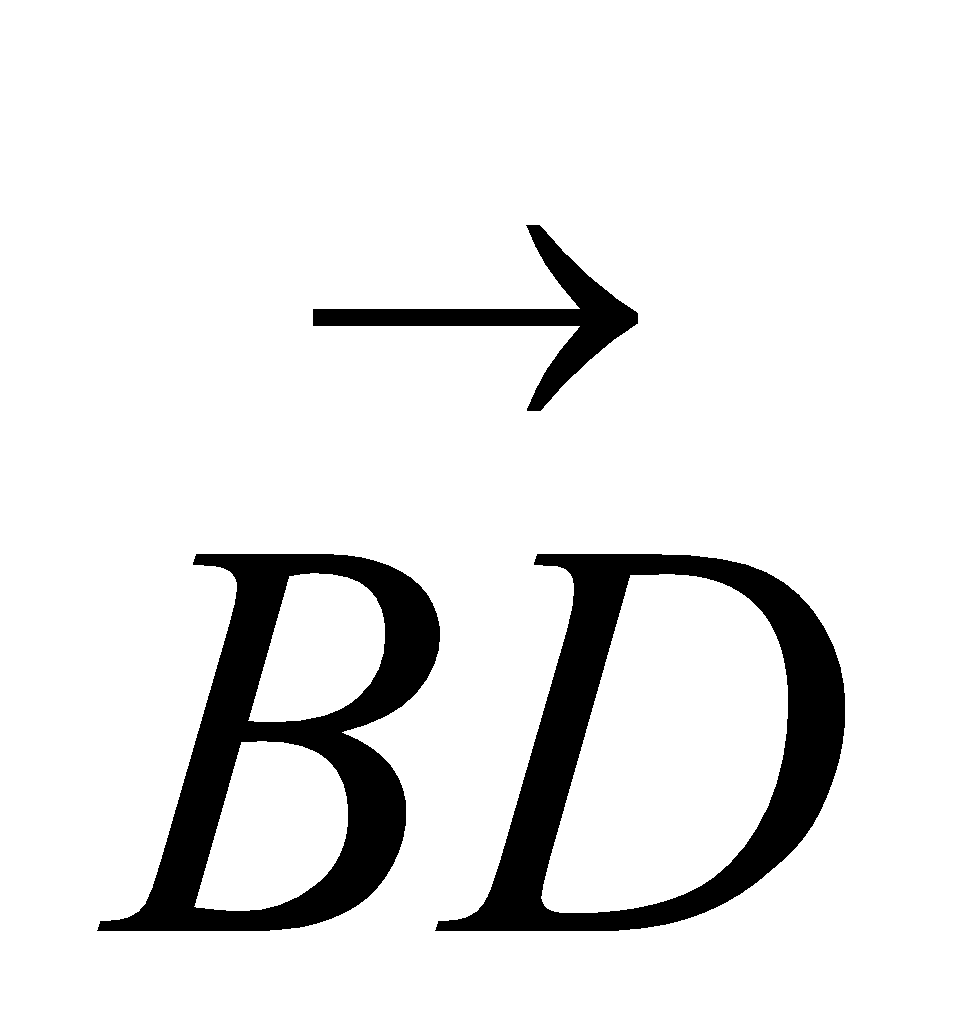
3.
= 2b = 2a = 6a
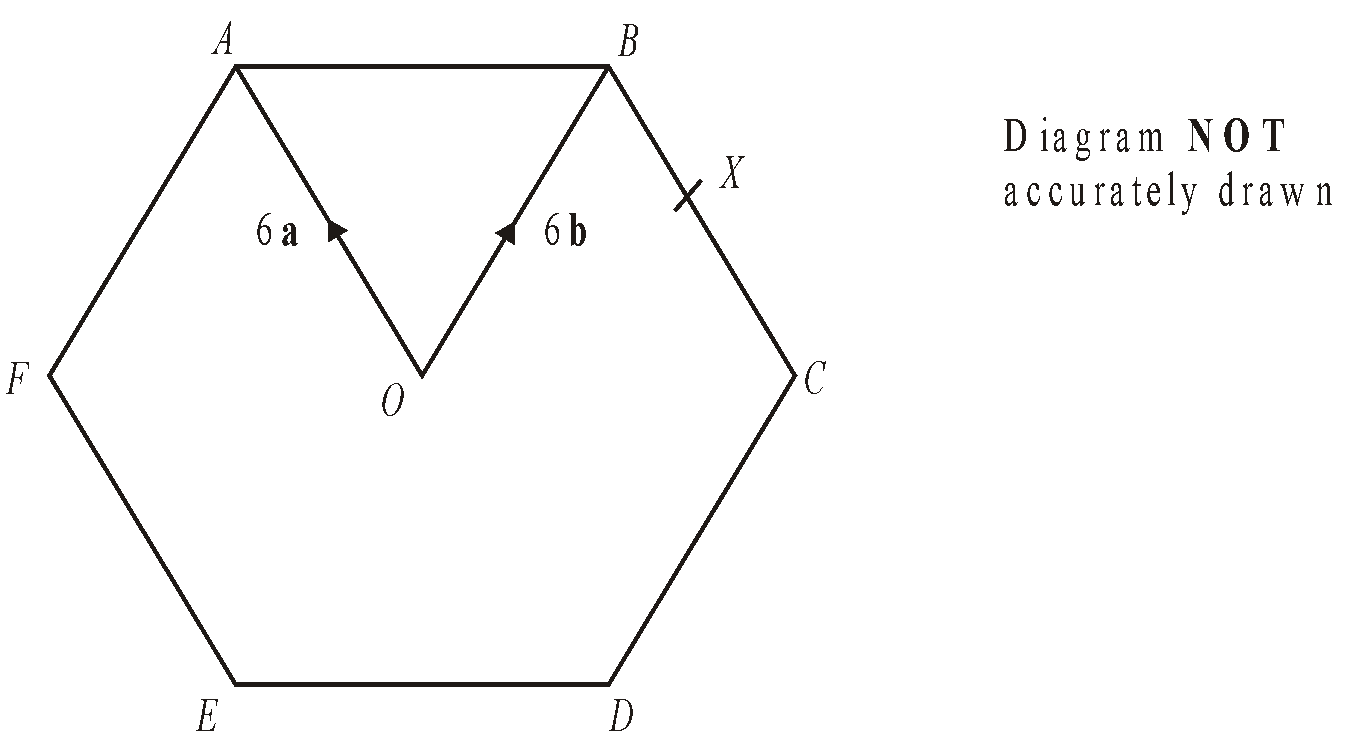
M is the midpoint of PQ and N is the midpoint of OR.
(a) Find the vector in terms of a and b.
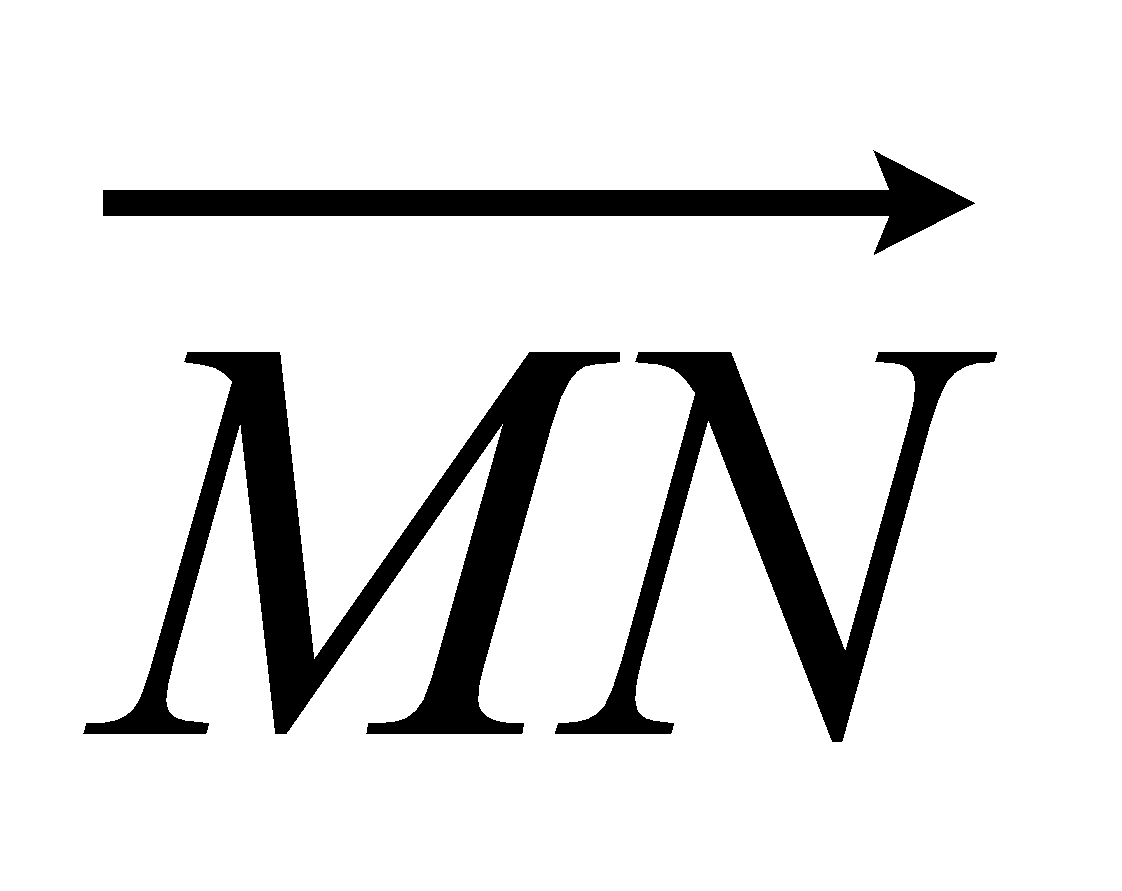
X is the midpoint of MN and Y is the midpoint of QR.
(b) Prove that XY is parallel to OR.

4. (a)Express in terms of a and/orb
(i)   
(ii) 
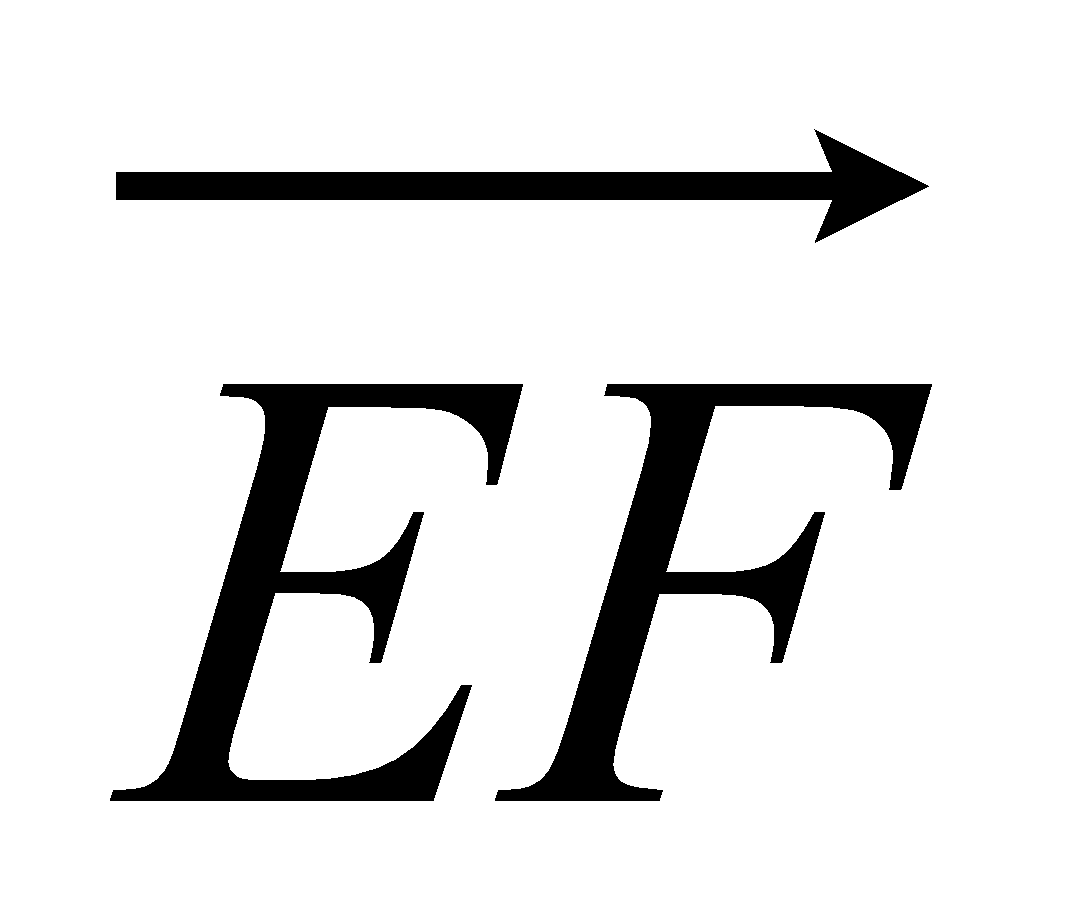
 X is the midpoint of BC.
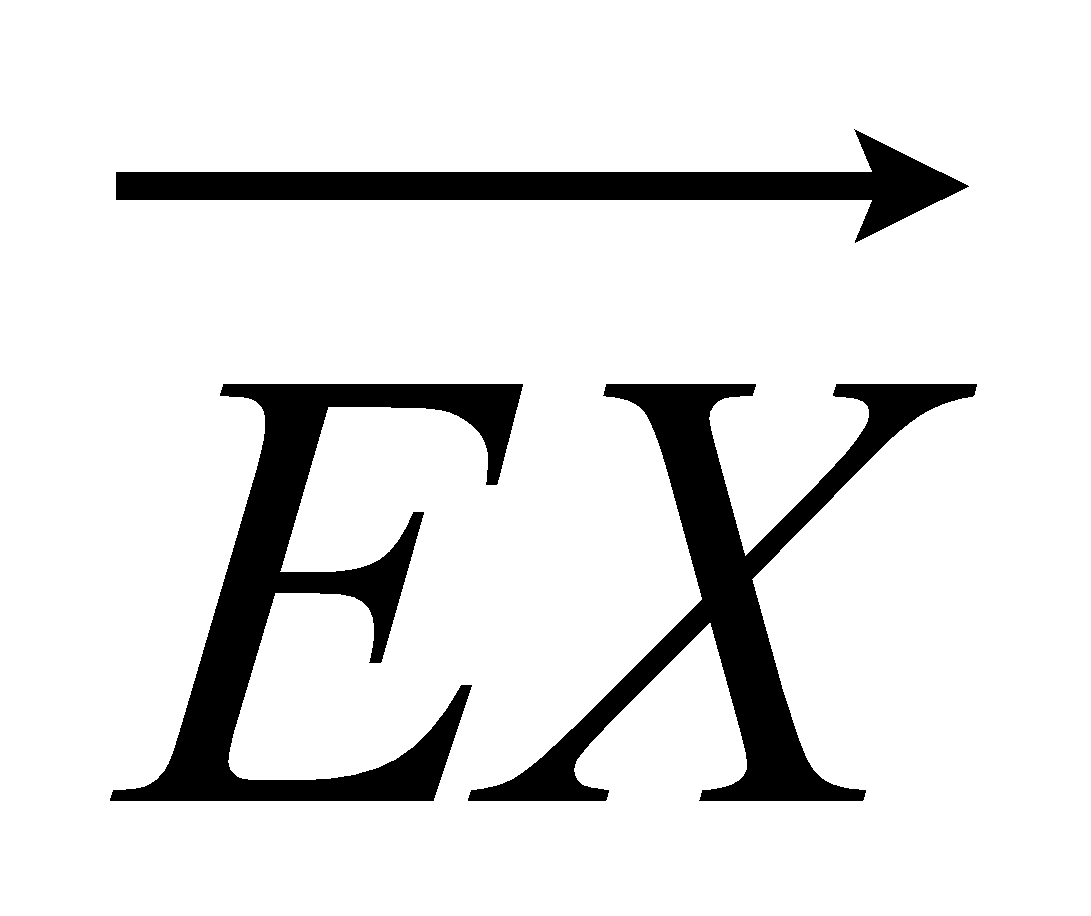
(b) Express in terms of a and/or b
1 comment
1 comments
Read More

GCSE Mathematics Worksheet - Compound Measures-1-Notes


Distance-time graphs
  • In a distance-time graph, the gradient of the line is equal to the speed of the object. The greater the gradient (and the steeper the line) the faster the object is moving.
  • If an object is accelerating or decelerating, its speed can be calculated at any particular time by:    
  • drawing a tangent to the curve at that time
  • measuring the gradient of the tangent
Velocity-time graphs
  • The gradient of the line is equal to the acceleration of the object.
  • The displacement of an object can be calculated from the area under a velocity-time graph.         
       
Acceleration

  • Acceleration is the rate of change of velocity. It is the amount that velocity changes per unit time.
  • The change in velocity can be calculated using the equation:
  • change in velocity = final velocity - initial velocity
     
  • The average acceleration of an object can be calculated using the equation:
        
     This is when:
  • acceleration (α) is measured in metres per second squared (m/s²)
  • change in velocity (∆v) is measured in metres per second (m/s)
  • time taken (t) is measured in seconds (s)
  • If an object is slowing down, it is decelerating (and its acceleration has a negative value).
Velocity, acceleration and distance
  • This equation applies to objects in uniform acceleration:
      
(final velocity)2 - (initial velocity) 2  = 2 × acceleration × distance

       
  • This is when:
  • final velocity (v) is measured in metres per second (m/s)
  • initial velocity (u) is measured in metres per second (m/s)
  • acceleration (a) is measured in metres per second squared (m/s2)
  • displacement (s) is measured in metres (m)          
Leave your comment
0 comments
Read More

Latest Posts


Recent Comments

Copyright © Qusais Tuition